
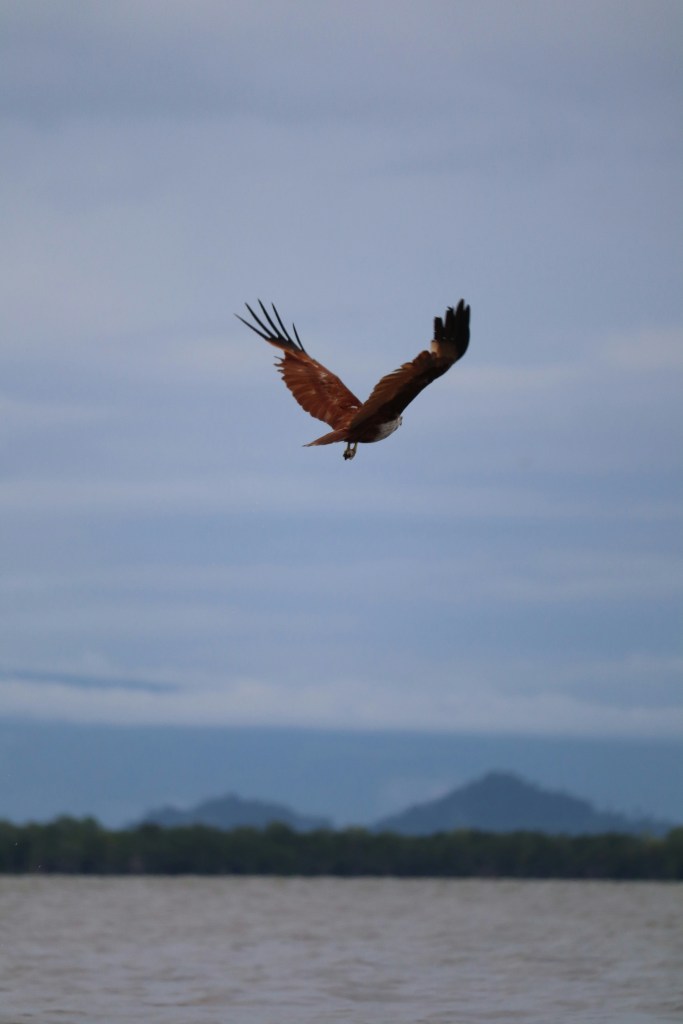
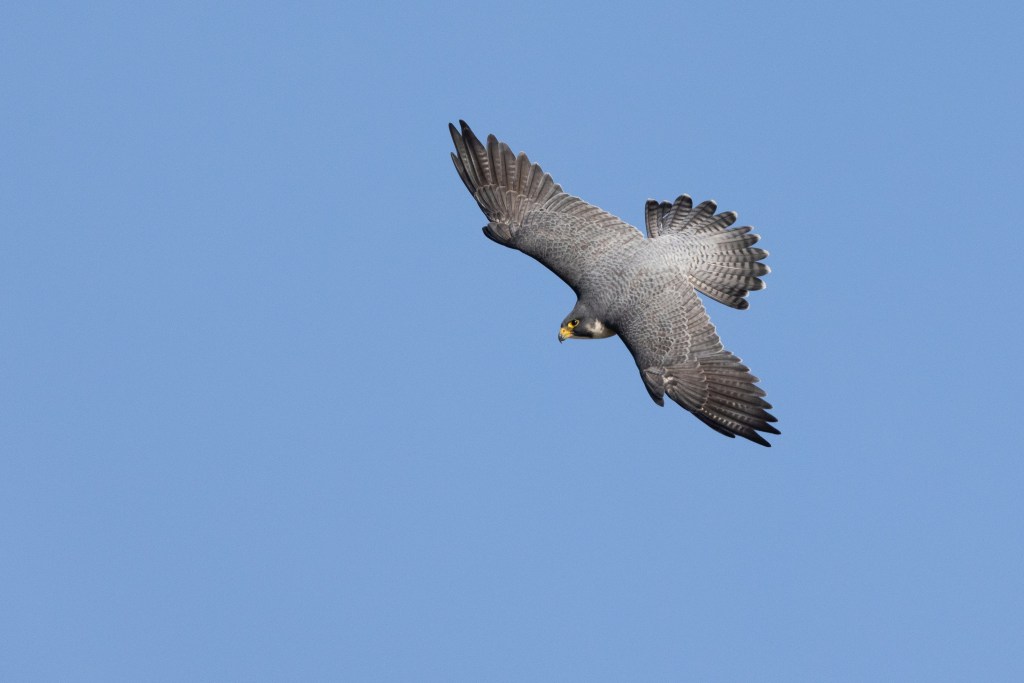
Turning and turning in the widening gyre
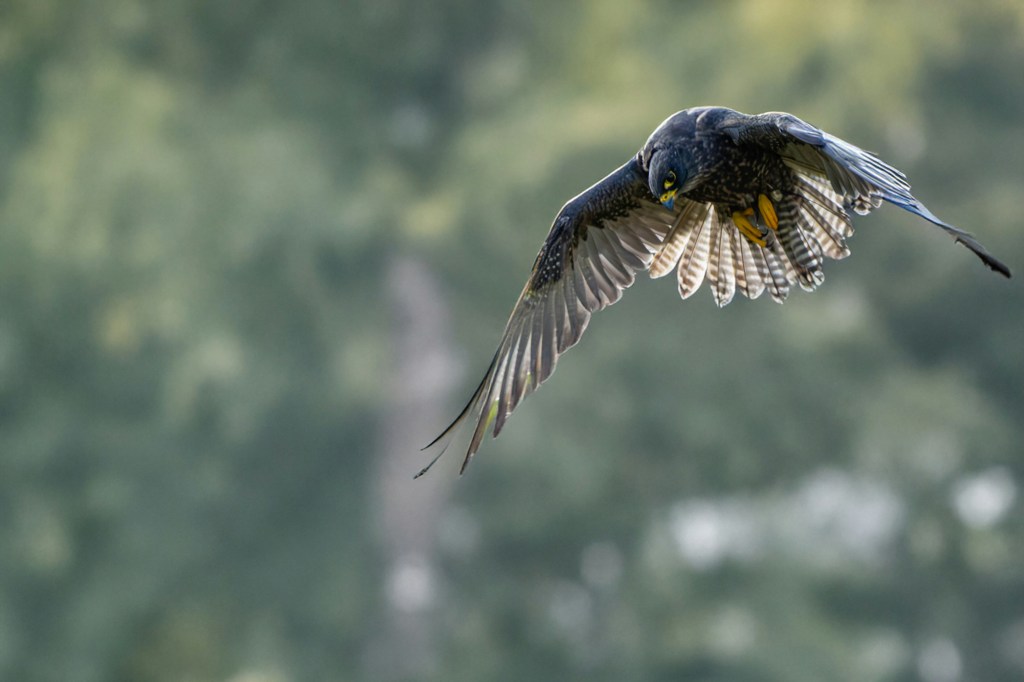
The falcon cannot hear the falconer;
— W. B. Yeats (in The Second Coming)
The Widening Gyre of Translation
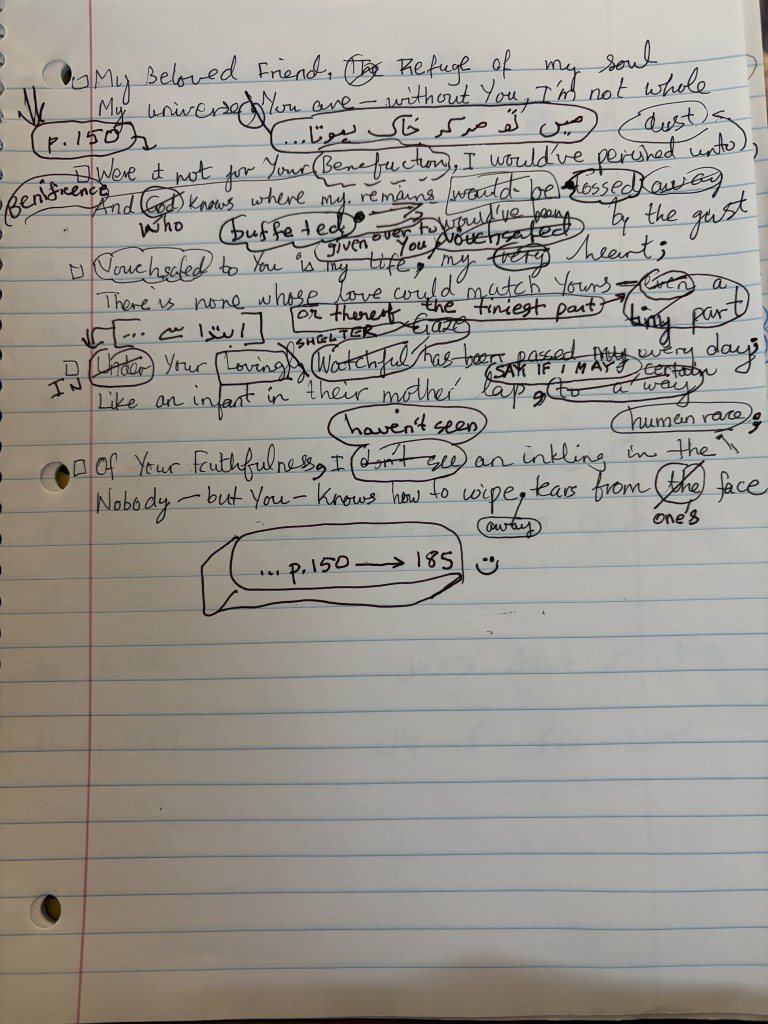
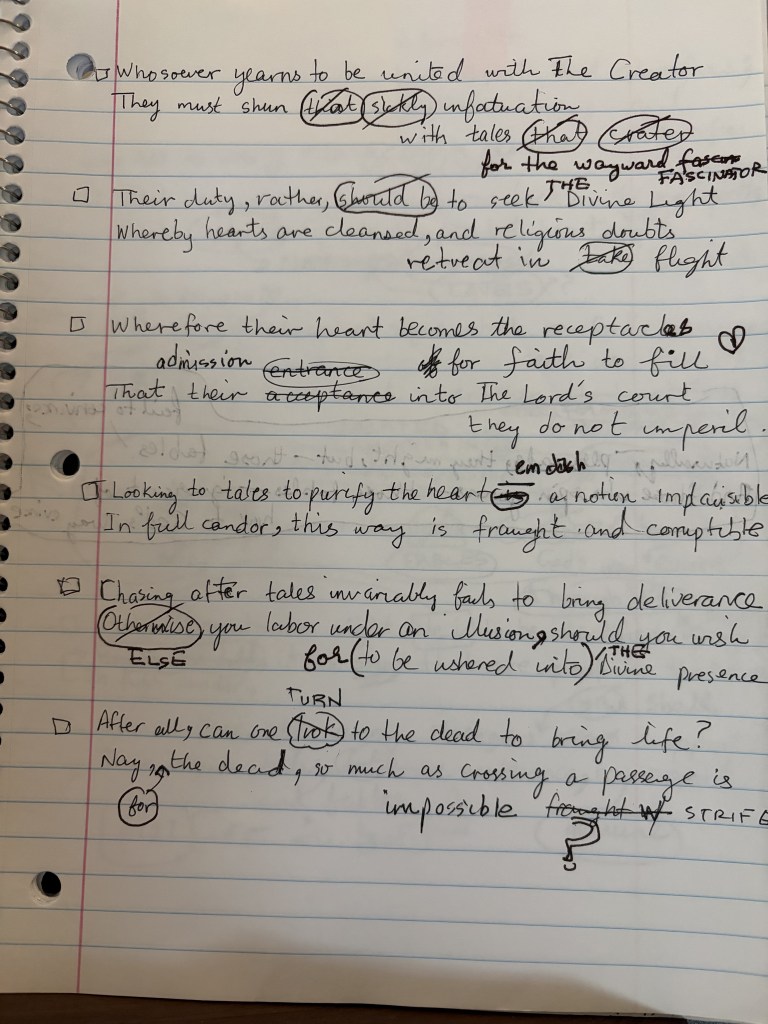
Translating poetry—from Urdu into English—is anything but a linear undertaking. It is a labor of perpetual reconsideration, in which every apparent resolution gives rise to another uncertainty. A word is chosen, only to reveal its inadequacy several lines later. A phrase that captures the meaning sacrifices the music; one that preserves the music betrays the emotional force of the original.
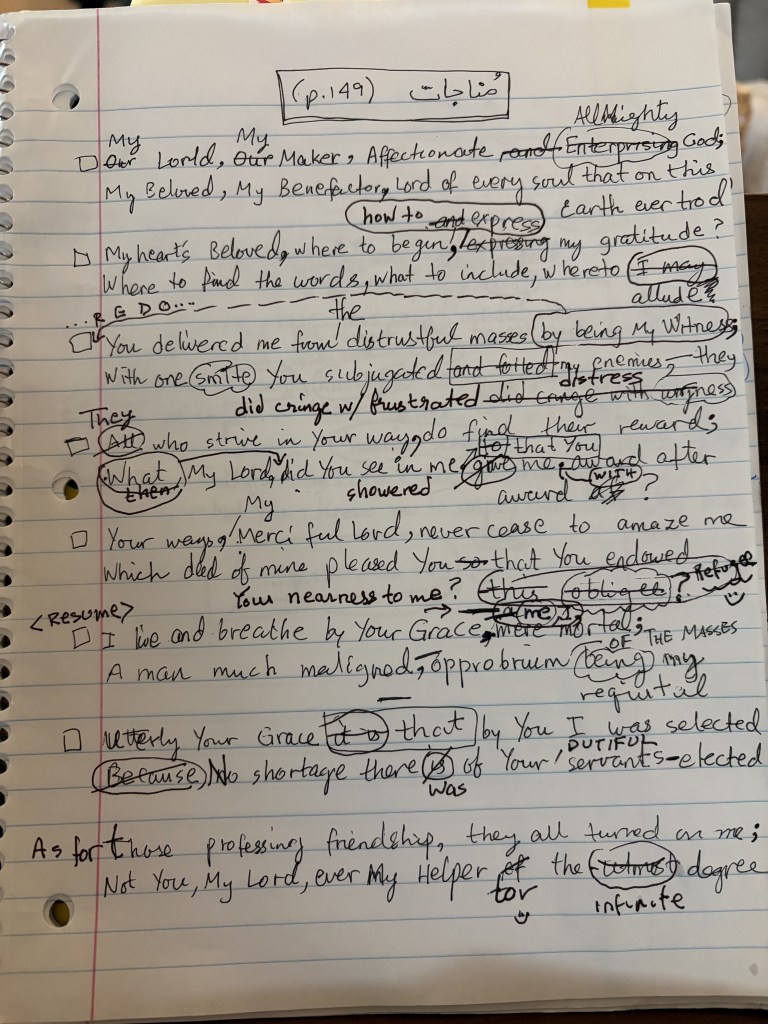
The process resembles a game of Tetris, except that the pieces continually change shape. Each word must find its place among others, accommodating not merely grammar and meaning, but cadence, imagery, cultural memory, and the unspoken associations that give poetry its life.
W. B. Yeats’s widening gyre comes to mind. Translation moves outward through successive circles of interpretation, sometimes drifting farther from the original before discovering a path back toward its essence. What appeared settled must be dismantled. What seemed indispensable must sometimes be surrendered.
Urdu, with its extraordinary capacity for tenderness, ambiguity, and spiritual yearning, makes these decisions particularly exacting. English offers its own expressive riches, but seldom in corresponding measures.
There is also the formidable question of what must remain unsaid. Poetry draws much of its power from suggestion, from the delicate tension between what is expressed and what the reader is left to discover. A single Urdu word may carry centuries of literary tradition, invoking associations that resist concise explanation in English. To make those associations explicit risks destroying the very subtlety that gives them meaning. Yet to leave them unexplained may deprive the English reader of something essential. The translator must continually negotiate this uneasy boundary between revelation and restraint.
And then there is the humbling realization that a translation is never truly finished. One returns to a line days or weeks later and discovers that a seemingly insignificant word has disturbed the balance of the entire stanza. The architecture must be reconsidered, sometimes rebuilt from its foundations. Such revisions are not evidence of failure but an acknowledgment of the extraordinary precision poetry demands. The translator learns to distrust easy solutions, to question apparent equivalences, and to accept that certain losses are unavoidable. What matters is whether the accumulated choices preserve the emotional and imaginative integrity of the original.
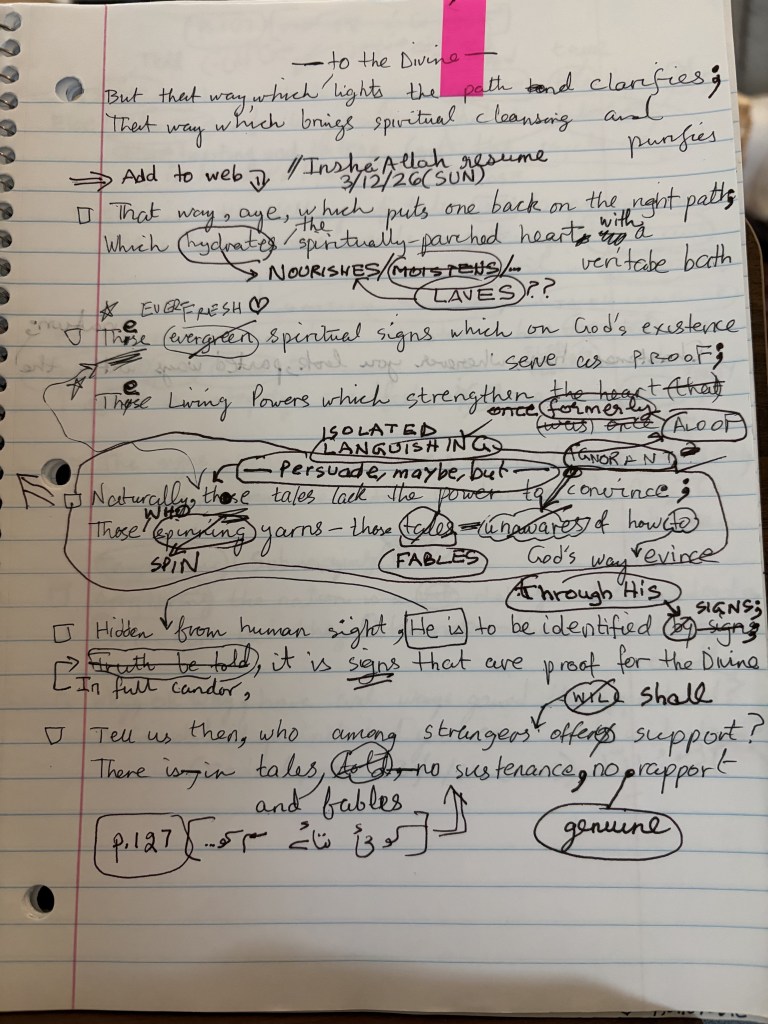
Ultimately, fidelity in translation is not achieved through literal equivalence. It emerges through patient reconstruction: the difficult art of preserving a poem’s soul while giving it another language in which to breathe.


Leave a Reply